Fuji Transonic Specs and reviews
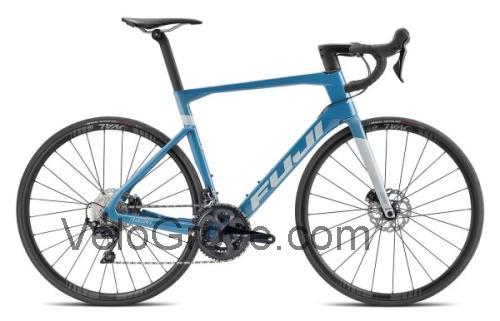
Fuji Transonic specs
| General Information | |
|---|---|
| Model Name | Fuji Transonic |
| Brand/Manufacturer | Fuji |
| Year of Release | 2022 |
| Country of Origin | Japan |
| Road Bike Type | aero |
| Intended Use | racing |
| Frame & Geometry | |
| Frame Material | carbon |
| Frame Size Options | XS, S, M, L, XL |
| Fork Material | carbon |
| Bottom Bracket Type | BB86 |
| Headset Type | integrated |
| Internal Cable Routing | true |
| Aero Features | aero tubing, integrated cockpit, hidden cables |
| Drivetrain | |
| Drivetrain Type | 2x |
| Number of Speeds | 11-speed |
| Rear Derailleur Model | Shimano Ultegra |
| Shifter Brand and Model | Shimano Ultegra |
| Crankset Details | 170mm / 52/36T |
| Cassette Range | 11-28T |
| Chain Type and Brand | Shimano |
| Bottom Bracket Spec | BB86 |
| Braking System | |
| Brake Type | rim brake |
| Brake Brand and Model | Shimano Ultegra |
| Brake Pads | rim-compatible |
| Wheels & Tires | |
| Wheel Size | 700c |
| Rim Type and Material | carbon clincher |
| Rim Width | 19mm / 25mm |
| Tire Brand, Model, and Width | Continental Grand Prix 5000 / 25mm |
| Max Tire Clearance | 28mm |
| Recommended Tire Pressure Range | 85-95 psi |
| Cockpit & Contact Points | |
| Handlebar Type | drop bar |
| Handlebar Material | carbon |
| Stem Length and Angle | 100mm, +/-7 degrees |
| Saddle Brand and Model | Fizik Antares R5 |
| Seatpost Type | aero |
| Seatpost Offset | 25mm |
| Pedals Included | false |
| Geometry & Fit | |
| Available Frame Sizes | XS, S, M, L, XL |
| Rider Height Range | 5'2" - 6'2" |
| Stack and Reach | 545mm / 390mm |
| Effective Top Tube Length | 545mm |
| Seat Tube and Head Tube Length | 520mm / 140mm |
| Chainstay Length | 405mm |
| Performance & Ride Quality | |
| Claimed and Actual Weight | 7.5kg |
| Aerodynamic Design Elements | tube shapes optimized for aero performance |
| Ride Characteristics | stiffness: high, comfort: medium, compliance: good |
| Price & Availability | |
| MSRP | $3,500 |
| Availability by Region or Country | Check with local Fuji dealers |
| Warranty Coverage | frame: lifetime, components: varies |
Pros and Cons of Fuji Transonic
| Pros | Cons |
|---|---|
| 1. Aerodynamic design for faster riding | 1. Stiff frame can be uncomfortable on rough roads |
| 2. Lightweight construction for easier climbing | 2. Limited adjustability in terms of fit |
| 3. Smooth handling and stability at high speeds | 3. Higher price compared to some competitors |
Common Issues and Problems with Fuji Transonic
| Common Problems with Fuji Transonic Bike |
| 1. Noisy drivetrain |
| 2. Braking issues |
| 3. Uncomfortable saddle |
| 4. Wheel alignment problems |
| 5. Gear shifting issues |
| 6. Frame creaks or cracks |
User Reviews of Fuji Transonic
| Name | Review |
| Emily | The Fuji Transonic bike is amazing! It's lightweight, fast, and handles beautifully on the road. I highly recommend it to anyone looking for a high-performance road bike. |
| Michael | I've been riding the Fuji Transonic for a few months now and I'm impressed with its aerodynamics and smooth ride. It's a great choice for serious cyclists. |
| Sarah | The Fuji Transonic exceeded my expectations. It's a comfortable and responsive bike that makes long rides enjoyable. The design is sleek and modern. |
| David | I recently upgraded to the Fuji Transonic and I'm thrilled with its performance. The bike is stiff yet comfortable, and it climbs hills with ease. Definitely worth the investment. |
Common Questions About Fuji Transonic
-
Can I adjust the stem length on the Fuji Transonic?
Yes, you can adjust the stem length on the Fuji Transonic. The stem length and angle are 100mm with a +/-7 degree angle.
-
What type of brakes does the Fuji Transonic come with?
The Fuji Transonic comes with rim brakes. The brake brand and model are Shimano Ultegra, and it uses rim-compatible brake pads.
-
Is the Fuji Transonic designed for a specific type of riding?
Yes, the Fuji Transonic is designed for racing. It is an aero road bike with features optimized for speed and performance on the race track.
-
What is the weight of the Fuji Transonic?
The claimed and actual weight of the Fuji Transonic is 7.5kg, making it a lightweight option for competitive riding.
-
Does the Fuji Transonic come with pedals included?
No, the Fuji Transonic does not come with pedals included. You will need to purchase pedals separately to complete the bike setup.
-
What is the recommended tire pressure range for the Fuji Transonic?
The recommended tire pressure range for the Fuji Transonic is 85-95 psi, ensuring optimal performance and comfort during rides.
-
Are the cables on the Fuji Transonic routed internally?
Yes, the Fuji Transonic features internal cable routing, providing a clean and aerodynamic look while also enhancing the bike's performance.
-
What is the maximum tire clearance of the Fuji Transonic?
The Fuji Transonic has a max tire clearance of 28mm, allowing for the use of slightly wider tires for added comfort and grip.
-
Where can I check the availability of the Fuji Transonic in my region?
You can check the availability of the Fuji Transonic in your region by contacting your local Fuji dealers for the most up-to-date information.
-
Does the Fuji Transonic offer a lifetime warranty on the frame?
Yes, the Fuji Transonic comes with a lifetime warranty on the frame, ensuring long-term durability and peace of mind for the rider.