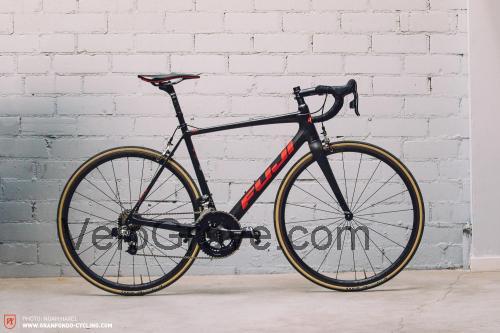
Fuji Transonic 1.3 Specs and reviews
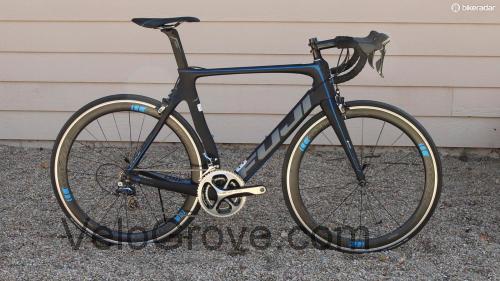
Fuji Transonic 1.3 specs
| General Information | |
|---|---|
| Model Name | Fuji Transonic 1.3 |
| Brand | Fuji |
| Year of Release | 2022 |
| Country of Origin | Taiwan |
| Road Bike Type | aero |
| Intended Use | racing |
| Frame & Geometry | |
| Frame Material | carbon |
| Frame Size Options | XS, S, M, L, XL |
| Fork Material | carbon |
| Bottom Bracket Type | BB86 |
| Headset Type | integrated |
| Internal Cable Routing | true |
| Aero Features | aero tubing / hidden cables |
| Frame Compliance Features | carbon layup |
| Drivetrain | |
| Drivetrain Type | 2x |
| Number of Speeds | 11-speed |
| Rear Derailleur Model | Shimano Ultegra R8000 |
| Shifter Brand and Model | Shimano Ultegra R8000 |
| Crankset Details | Length: 170mm / Chainring sizes: 52/36T |
| Cassette Range | 11-28T |
| Chain Type and Brand | Shimano |
| Bottom Bracket Spec | Shimano BB86 |
| Braking System | |
| Brake Type | rim brake |
| Brake Brand and Model | Shimano Ultegra R8000 |
| Brake Pads | rim-compatible |
| Wheels & Tires | |
| Wheel Size | 700c |
| Rim Type and Material | carbon clincher |
| Rim Width | Internal: 19mm / External: 25mm |
| Tire Brand, Model, and Width | Brand: Continental / Model: Grand Prix 5000 / Width: 25mm |
| Max Tire Clearance | 28mm |
| Recommended Tire Pressure Range | 85-95 psi |
| Cockpit & Contact Points | |
| Handlebar Type | drop bar |
| Handlebar Material | carbon |
| Stem Length and Angle | 100mm |
| Saddle Brand and Model | Prologo |
| Seatpost Type | aero |
| Pedals Included | false |
| Geometry & Fit | |
| Available Frame Sizes | XS, S, M, L, XL |
| Rider Height Range | 5'2" - 6'2" |
| Stack and Reach | Stack: 543mm / Reach: 384mm |
| Effective Top Tube Length | 545mm |
| Seat Tube and Head Tube Length | Seat Tube: 510mm / Head Tube: 140mm |
| Chainstay Length | 410mm |
| Performance & Ride Quality | |
| Claimed and Actual Weight | Not Available |
| Aerodynamic Design Elements | Tube shapes |
| Ride Characteristics | Stiffness / Compliance |
| Certifications & Compliance | |
| UCI Approval | false |
| ISO Safety Standards | ISO4210 |
| Price & Availability | |
| MSRP | USD 3,999 |
| Availability by Region or Country | Check with local retailers |
| Warranty Coverage | Frame: 5 years / Components: 2 years |
Pros and Cons of Fuji Transonic 1.3
| Pros | Cons |
|---|---|
| Lightweight carbon frame | Expensive price tag |
| Aerodynamic design for faster speeds | May not be comfortable for long rides |
| Smooth shifting with Shimano Ultegra components | Limited color options |
| Responsive handling for quick maneuvers | Not suitable for beginners |
Common Issues and Problems with Fuji Transonic 1.3
| Common Problems with Fuji Transonic 1.3 Bike |
| 1. Chain slipping during gear shifts |
| 2. Brake pads wearing out quickly |
| 3. Creaking noises coming from the bottom bracket |
| 4. Issues with shifting precision in rear derailleur |
| 5. Saddle discomfort on long rides |
| 6. Wheel spokes becoming loose over time |
| 7. Handlebar tape wearing out prematurely |
User Reviews of Fuji Transonic 1.3
| Name | Review |
|---|---|
| Emily | The Fuji Transonic 1.3 bike is a dream to ride. It's fast, responsive, and comfortable. I love the sleek design and the smooth gear changes. Highly recommend it! |
| Michael | I've been using the Fuji Transonic 1.3 for a few months now and it's been a great experience. The bike is lightweight and aerodynamic, making it perfect for long rides. The components are high quality and the overall performance is impressive. |
| Sophia | I recently upgraded to the Fuji Transonic 1.3 and I couldn't be happier. The bike is super fast and handles beautifully. The carbon frame is top-notch and the Shimano Ultegra groupset is a joy to use. Definitely worth the investment! |
| William | The Fuji Transonic 1.3 is a fantastic road bike. It's incredibly smooth and stable, even at high speeds. The disc brakes provide excellent stopping power and the overall build quality is superb. I'm very satisfied with my purchase. |
Common Questions About Fuji Transonic 1.3
-
1. Can I adjust the stack and reach on the Fuji Transonic 1.3 for a custom fit?
Unfortunately, the stack and reach on the Fuji Transonic 1.3 are fixed based on the frame size you choose. However, you can explore different stem lengths and handlebar positions for minor adjustments.
-
2. What makes the Fuji Transonic 1.3 ideal for racing?
The aerodynamic design elements, including aero tubing and hidden cables, contribute to the bike's speed and efficiency, making it a top choice for racing enthusiasts.
-
3. Does the Fuji Transonic 1.3 come with pedals included?
No, the bike does not come with pedals included, allowing you to choose pedals that best suit your riding style and preferences.
-
4. What is the recommended tire pressure range for the Fuji Transonic 1.3?
The recommended tire pressure range is between 85 and 95 psi to ensure optimal performance and comfort while riding.
-
5. How does the Fuji Transonic 1.3 handle in terms of stiffness and compliance?
The bike offers a balance of stiffness for efficient power transfer and compliance for a smoother ride, enhancing overall performance and comfort.
-
6. Is the Fuji Transonic 1.3 UCI approved for competitive racing?
No, the Fuji Transonic 1.3 is not UCI approved, so it may not be eligible for use in certain competitive racing events that require UCI approval.
-
7. Can I upgrade the cassette range on the Fuji Transonic 1.3 for different gearing options?
Yes, you can explore different cassette options within the compatible range to customize the gearing to better suit your riding needs and preferences.
-
8. How does the carbon layup in the frame of the Fuji Transonic 1.3 affect its ride quality?
The specific carbon layup enhances the frame's compliance and overall ride quality by providing a balance of stiffness and vibration dampening for a smoother experience on various road surfaces.
-
9. What is the maximum tire clearance on the Fuji Transonic 1.3?
The bike can accommodate tires up to 28mm wide, allowing for versatility in tire selection based on your preferred riding conditions and terrain.
-
10. How does the integrated headset type on the Fuji Transonic 1.3 contribute to its aerodynamic performance?
The integrated headset design helps reduce drag by seamlessly integrating the fork with the frame, improving aerodynamics and overall speed potential of the bike.