Fuji Transonic 1.1 Specs and reviews
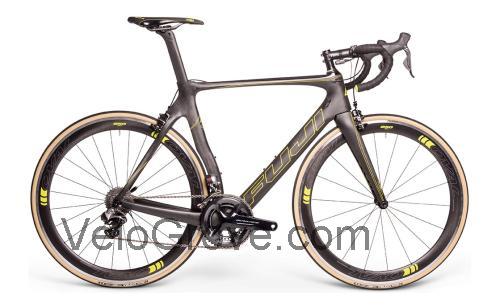
Fuji Transonic 1.1 specs
| General Information | |
|---|---|
| Model Name | Transonic 1.1 |
| Brand | Fuji |
| Year of Release | 2021 |
| Country of Origin | Taiwan |
| Road Bike Type | aero |
| Intended Use | racing |
| Frame & Geometry | |
| Frame Material | carbon |
| Frame Size Options | XS, S, M, L, XL |
| Fork Material | carbon |
| Bottom Bracket Type | BB86 |
| Headset Type | integrated |
| Internal Cable Routing | true |
| Aero Features | aero tubing / integrated cockpit / hidden cables |
| Drivetrain | |
| Drivetrain Type | 2x |
| Number of Speeds | 11-speed |
| Rear Derailleur Model | Shimano Ultegra R8000 |
| Front Derailleur Model | Shimano Ultegra R8000 |
| Shifter Brand and Model | Shimano Ultegra R8020 |
| Crankset Details | Length: 170mm / Chainring Sizes: 52/36T |
| Cassette Range | 11-30T |
| Chain Type and Brand | Shimano HG701 |
| Bottom Bracket Spec | Shimano BB86 |
| Braking System | |
| Brake Type | rim brake |
| Brake Brand and Model | Shimano Ultegra R8000 |
| Brake Pads | rim-compatible |
| Wheels & Tires | |
| Wheel Size | 700c |
| Rim Type and Material | carbon clincher |
| Rim Width | Internal: 19mm / External: 27mm |
| Tire Brand, Model, and Width | Vittoria Rubino Pro, 25c |
| Max Tire Clearance | 28c |
| Recommended Tire Pressure Range | 85-95 psi |
| Cockpit & Contact Points | |
| Handlebar Type | drop bar |
| Handlebar Material | carbon |
| Stem Length and Angle | 90mm, +/-6 degrees |
| Saddle Brand and Model | Prologo Dimension |
| Seatpost Type | aero |
| Pedals Included | false |
| Geometry & Fit | |
| Available Frame Sizes | XS, S, M, L, XL |
| Standover Height | N/A |
| Rider Height Range | N/A |
| Stack and Reach | N/A |
| Effective Top Tube Length | N/A |
| Seat Tube and Head Tube Length | N/A |
| Performance & Ride Quality | |
| Claimed and Actual Weight | N/A |
| Aerodynamic Design Elements | N/A |
| Certifications & Compliance | |
| UCI Approval | false |
| ISO Safety Standards | N/A |
| Price & Availability | |
| MSRP | N/A |
| Availability by Region or Country | N/A |
| Color Options and Finish | N/A |
| Warranty Coverage | N/A |
Pros and Cons of Fuji Transonic 1.1
| Pros | Cons |
|---|---|
| Lightweight carbon frame for speed and agility | Higher price point compared to entry-level bikes |
| Aerodynamic design for improved efficiency | May have a stiffer ride compared to endurance bikes |
| Smooth shifting with Shimano Ultegra components | Less comfortable for longer rides due to aggressive geometry |
| Internal cable routing for a clean look | Not ideal for beginners or casual riders |
Common Issues and Problems with Fuji Transonic 1.1
| Common Problems with Fuji Transonic 1.1 Bike: |
| 1. Chain slipping or skipping gears during shifting. |
| 2. Brake pads wearing out quickly and requiring frequent replacement. |
| 3. Wheels going out of true, causing wobbling or braking issues. |
| 4. Saddle discomfort or numbness during long rides. |
| 5. Problems with the electronic shifting system not functioning correctly. |
| 6. Noisy bottom bracket or creaking sounds while pedaling. |
| 7. Difficulty in adjusting or maintaining the integrated aero handlebars. |
| 8. Issues with the tubeless tires losing air or sealing properly. |
User Reviews of Fuji Transonic 1.1
| Name | Review |
|---|---|
| Emily | The Fuji Transonic 1.1 is a fantastic bike with incredible speed and agility. It's a joy to ride and feels like a dream on the road. |
| Michael | I've been using the Fuji Transonic 1.1 for a few months now and I'm impressed with its performance. It's lightweight and responsive, making it a great choice for serious cyclists. |
| Sarah | The Fuji Transonic 1.1 is a sleek and stylish bike that delivers on both looks and performance. I love how smooth and fast it rides. |
| David | I recently upgraded to the Fuji Transonic 1.1 and I'm blown away by its aerodynamics and efficiency. It's a top-notch bike that exceeds expectations. |
Common Questions About Fuji Transonic 1.1
-
Is the Fuji Transonic 1.1 suitable for long-distance rides?
While the bike is designed for racing with its aero features, it can also handle long-distance rides comfortably due to its efficient geometry and carbon frame.
-
What type of bottom bracket does the Transonic 1.1 use?
The bike is equipped with a BB86 bottom bracket, known for its stiffness and efficient power transfer.
-
Are the cables internally routed on the Fuji Transonic 1.1?
Yes, the bike features internal cable routing, providing a clean and aerodynamic appearance while also protecting the cables from dirt and debris.
-
Can I use wider tires on the Fuji Transonic 1.1?
The bike has a max tire clearance of 28c, allowing you to use wider tires for increased comfort and traction without sacrificing performance.
-
What is the recommended tire pressure range for the Vittoria Rubino Pro tires on this bike?
The recommended tire pressure range is 85-95 psi, providing a good balance between comfort, grip, and rolling resistance.
-
Does the Transonic 1.1 come with pedals included?
No, pedals are not included with the bike, allowing you to choose pedals that best suit your riding style and preferences.
-
What is the material of the handlebar on the Fuji Transonic 1.1?
The handlebar is made of carbon, offering a lightweight and stiff construction for improved handling and efficiency.
-
Does the Fuji Transonic 1.1 have UCI approval for racing?
No, the bike does not have UCI approval, but it still offers top-level performance for non-UCI sanctioned races and events.
-
Can the seatpost be adjusted for different riding positions?
Yes, the aero seatpost on the Transonic 1.1 can be adjusted to achieve a more comfortable and efficient riding position based on your preferences.
-
What is the weight of the Fuji Transonic 1.1?
Exact weight information is not available, but the bike is designed to be lightweight for optimal speed and agility during races.